
Explore Etruscan and Roman Civilization in Chiusi


DIGGING DEEP: The soft, rolling hills of the Umbria-Tuscan landscape, with their eye-stretching views over Lake Chiusi and Lake Trasimeno, have been stopping humans in their tracks since ancient times. The Etruscans began settling this area around 9 BC and layers of history, art and culture are consequently the result.
They have left behind a plethora of burial grounds, works of art and tunnels beneath tuffa-rock topped towns.
Legendary historian Pliny the Elder tells of Porsenna, a legendary Etruscan king.
Porsenna ruled Chiusi from the end of the 5th century BC and is famous for two things. Firstly, leading an ancient siege that defeated the arch-enemy, Rome. Secondly, for being buried, “Inside a magnificent golden sarcophagus, hidden in an intricate labyrinth.” Sadly, Porsenna’s final resting place has not yet been found. However, Etruscan catacombs and burial caves are rich underfoot, weaving under the town and through the surrounding countryside
Explore Porsenna’s Labyrinth & the Etruscan Tunnels

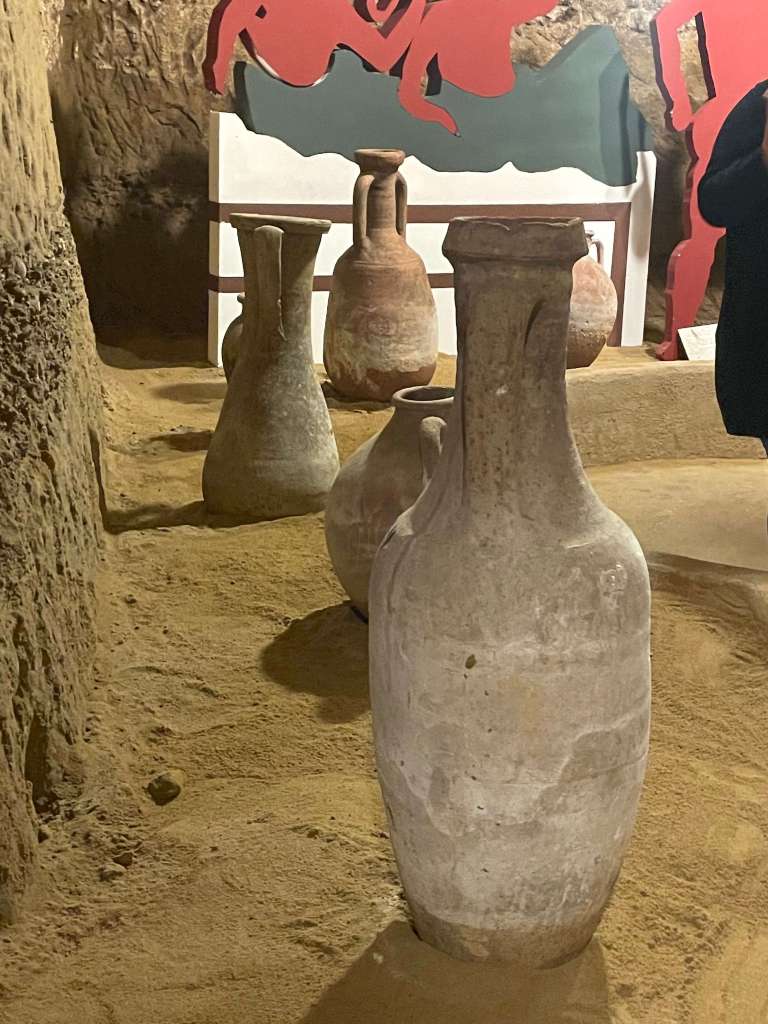

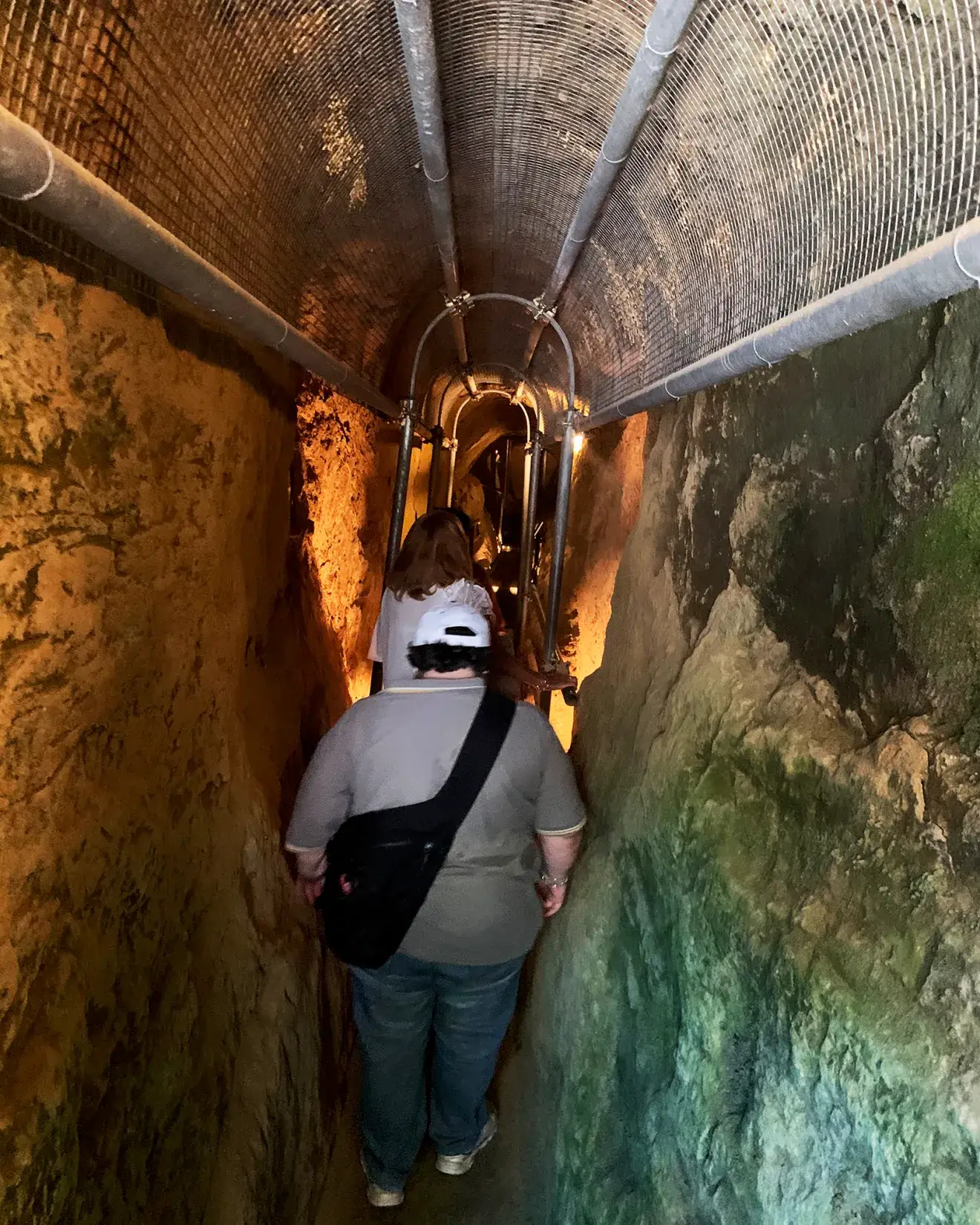
Beneath Piazza Duomo lies one of the most intriguing, yet relatively unknown, underground experiences in Tuscany: Porsenna’s Labyrinth. Despite the theatrical name, it is not a maze but a sophisticated network of Etruscan water tunnels later repurposed and reused by the Romans.
Guided visits (which can be purchased in the ground floor office) lead you through ancient passageways. You then have the opportunity to scale the stairs to the bell tower for panoramic views across the Valdichiana, Umbria and southern Tuscany.
Opening Hours
November to April:
Thursday & Friday: 10:00 to 13:00
Saturday & Sunday: 10:00 to 13:00 and 15:00 to 18:00
May to October
Tuesday to Sunday: 10:00 to 13:00 and 15:00 to 18:00
Guided tours run at:
10:10 | 11:10 | 12:10 | 15:10 | 16:10 | 17:10
Advance booking is required for tours outside these times and only available for groups of ten.
Discover the Civic Museum “La Città Sotterranea”
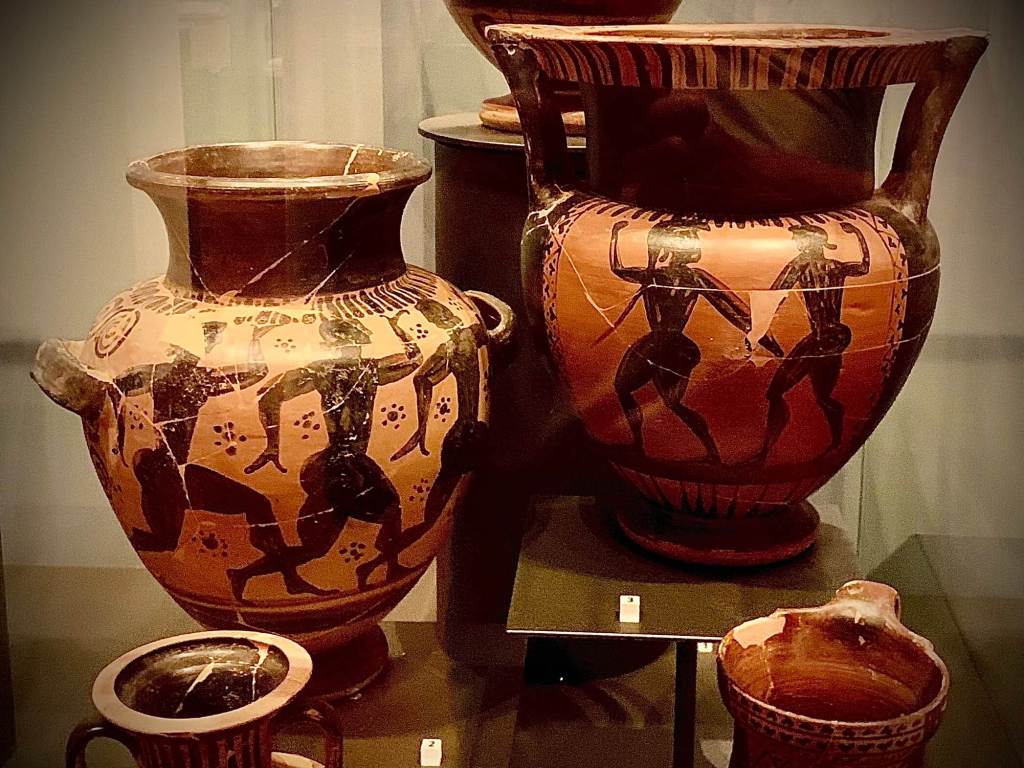
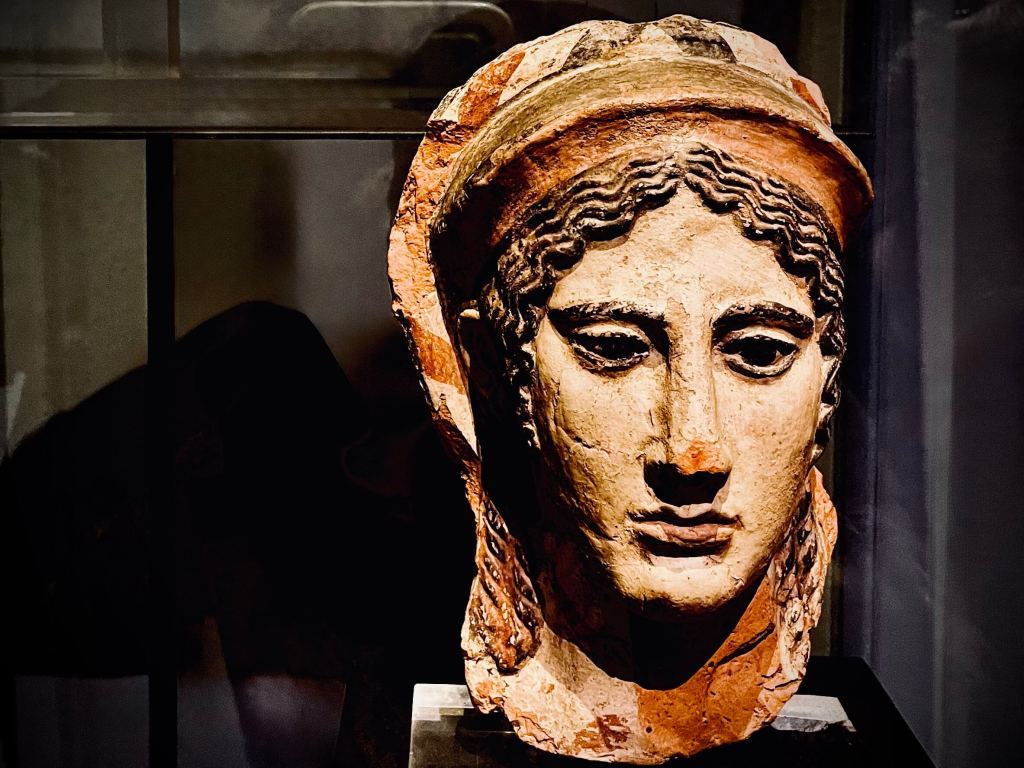
At street level, the Civic Museum is modest — a thoughtful collection of Etruscan and Roman artefacts that gently introduce the town’s past. But below, Chiusi reveals another secret.
Guided visits descend into an extensive underground complex carved into sandstone, where passageways open into a vast chamber containing an underground lake. The air cools, sound softens, and the town above feels very far away.
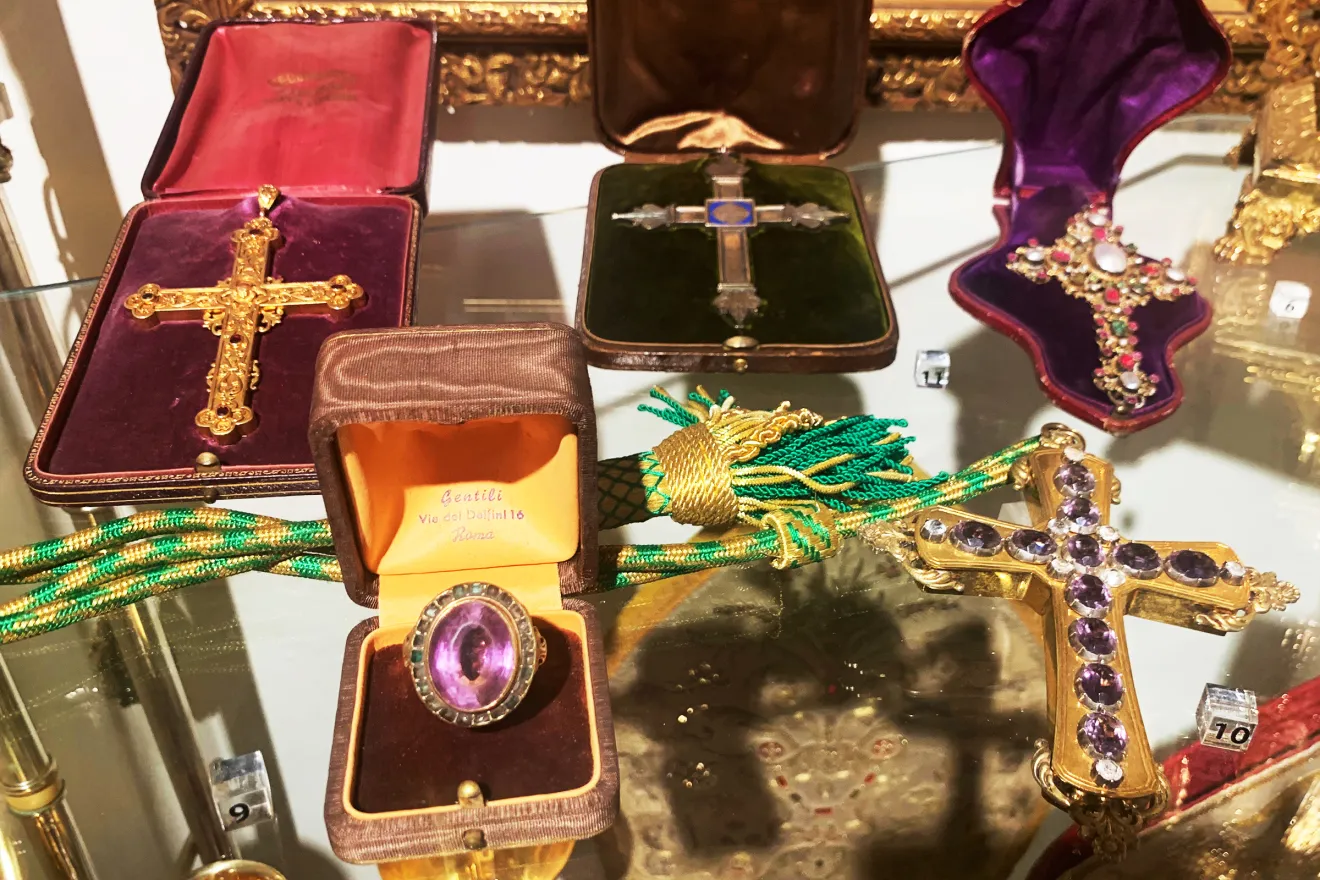



Visit the Catacombs of Santa Mustiola
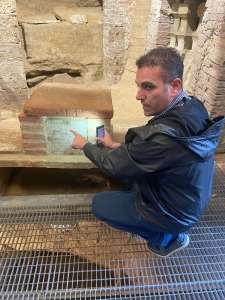

This early Christian cemetery stretches for around 200 metres through underground galleries carved into the earth. Saint Mustiola was a noblewoman who converted to Christianity in the 3rd century. Mustiola fled persecution before being captured and martyred near Chiusi. Her burial site became a place of quiet devotion, drawing early Christians to gather, worship and honour her memory beneath the earth. Today, walking through these galleries feels less like visiting a monument and more like stepping into a story still softly unfolding — one of faith, resilience and the human need to be remembered.
Its ancient crypt remains strikingly intact, a quiet and atmospheric space where early Christian communities gathered and worshipped. After the grandeur of Etruscan tombs, it offers something more intimate — a human scale to history, and a moment of stillness.
Named after the patron saint of Chiusi, this early Christian cemetery runs through 200 metres of underground galleries. An ancient crypt is as stunning as it was when early Christians first held Mass.
Legend of Santa Mustiola
After her martyrdom near Chiusi, legend holds that Santa Mustiola’s body was carried towards the waters of Lake Trasimeno. As the story goes, the lake fell still in quiet reverence, allowing her passage undisturbed. Whether miracle or myth, the tale endures — a soft thread linking the stillness of the lake to the silence beneath Chiusi, where her presence is still quietly felt.
The Chiusi Card

A small but worthwhile detail — the Chiusi Card unlocks the town’s key museums and underground spaces, making it the simplest way to explore its layered past.
 Where to Buy the Chiusi Card
You don’t need to buy it online in advance — it’s designed to be bought locally.
You can purchase it at:
1. Tourist Office
 Pro Loco Chiusi (Tourist Information Office)
Via Porsenna, 79
 This is the easiest and most reliable place to start.
They can also help with bookings and timings.
2. Directly at the Museums
You can also buy the card at any of the three included sites:
National Etruscan Museum (Via Porsenna, 93)
Cathedral Museum & Porsenna’s Labyrinth (Piazza Duomo)
Civic Museum “La Città Sotterranea” (Via II Ciminia, 2)
In practice: many people buy it at their first stop and use it from there.
 How It Works (Worth Knowing)
The card is valid for 15 days from first use
It includes entry to all three museums
You can visit them on different days (no rush, very civilised)
Some sites (especially underground ones) require booking a time slot
 Important Practical Detail (This catches people out)
Even with the card:
You may still need to book individual visits, especially for:
The Underground city | La Citta Sotteranea
The Labyrinth | Il Labirinto
Catacombs | Catacombe
Ideal flow
The museums are run separately and have limited group sizes Buy the card
- Book your time slots (tourist office can help)
2. Explore at your own pace
CHIUSI RESTAURANT GUIDE
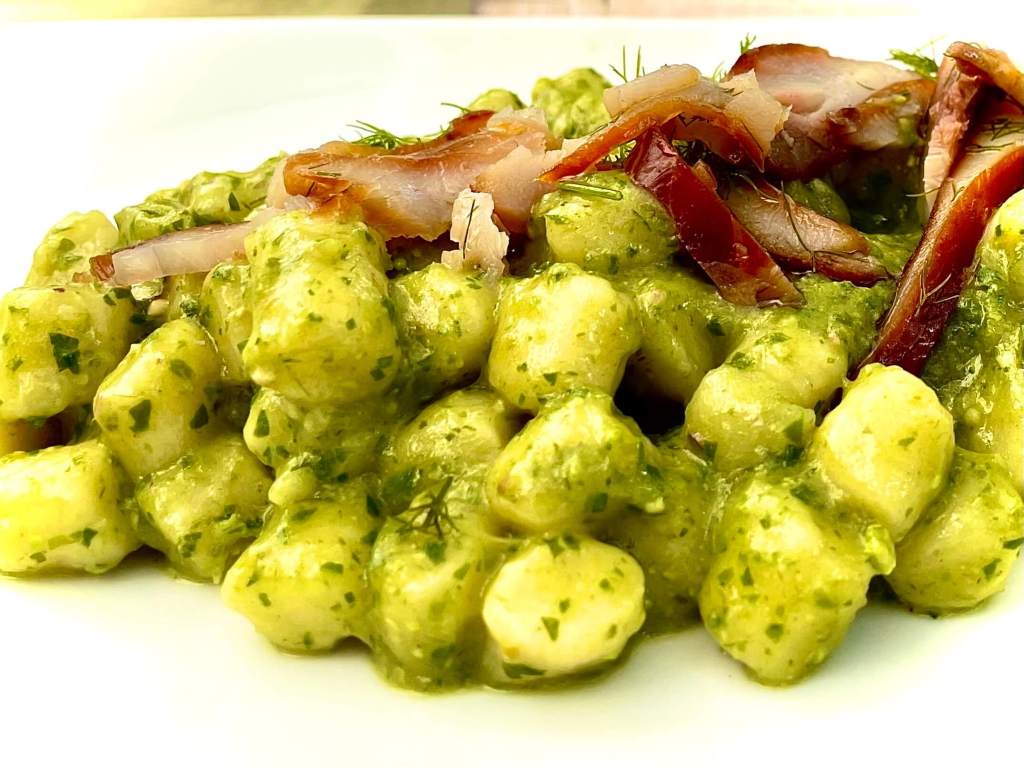
Chiusi’s food scene reflects its geography — split between the practical ease of Chiusi Scalo and the timeless charm of the historic hilltop centre. In Scalo, you’ll find unfussy, local favourites and easygoing spots perfect for a quick lunch or espresso. Above, in the old town, dining becomes something slower and more atmospheric — tables tucked into stone corners, menus rooted in tradition, and evenings that stretch a little longer. Wherever you land, the experience feels distinctly Tuscan.
Here’s where to book, linger, and return to.
WEEKLY MARKET DAYS IN CHIUSI
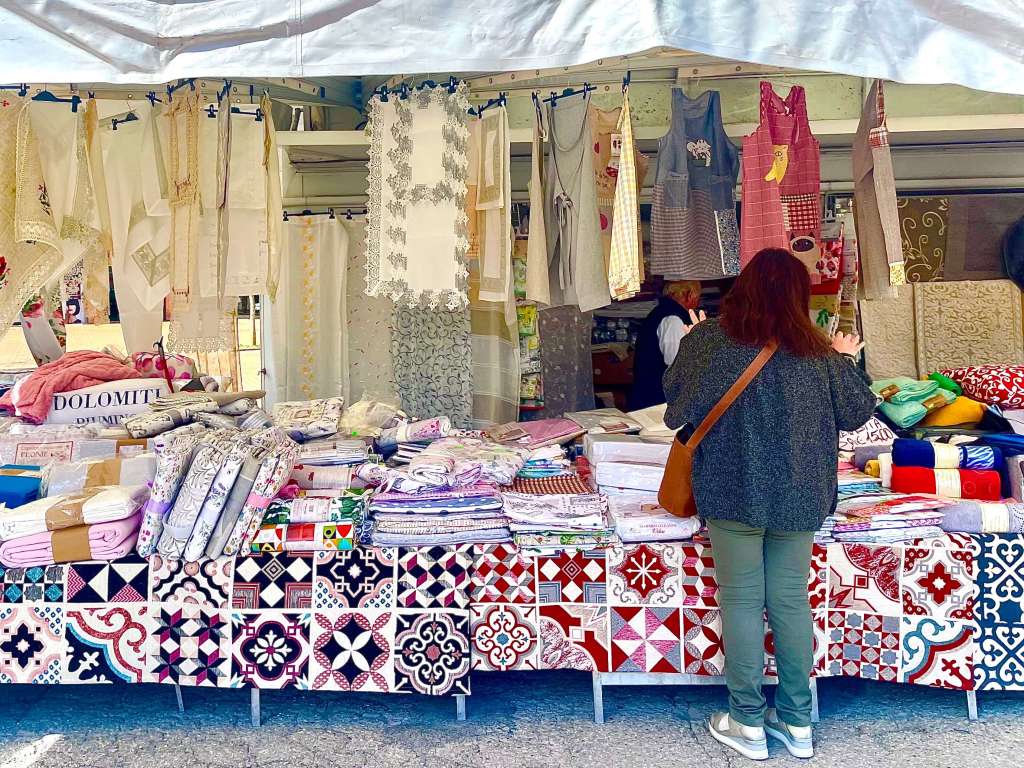
Chiusi slips into a different rhythm on market days, shaped as much by geography as tradition. On Mondays, the larger market unfolds in Chiusi Scalo, the newer, more modern part of town near the train station — practical, bustling, and full of everything from fresh produce to clothing and household finds. By contrast, Tuesdays in the historic hilltop centre feel slower and more intimate, with a smaller market set among cobbled streets where food takes centre stage and locals linger a little longer. Both run through the morning into early afternoon, offering two distinct glimpses into everyday Tuscan life — one grounded in movement and connection, the other in tradition and place.
For a full breakdown of nearby markets, see our dedicated guide linked above.

